Environmental exposure to substandard sanitary conditions frequently initiates complex gastrointestinal pathology that extends well beyond transient discomfort. Public health data published by the Australian Centre for Disease Control 2025 Report reveals that bacterial infections like campylobacteriosis remain a leading cause of gastrointestinal illness, accounting for approximately forty thousand reported cases in a single year. Pathogens entering the digestive tract induce structural alterations in the gut lumen, degrading mucosal integrity and precipitating severe microbial dysbiosis. The cascading effects of poor sanitation and hygiene often manifest as post-infectious irritable bowel syndrome, persistent malabsorption, or chronic inflammatory conditions that impair overall vitality. Establishing rigorous hygiene practices alongside timely clinical interventions safeguards the gastrointestinal lining against long-term microbial damage. Individuals seeking comprehensive diagnostic workups or advanced therapeutic support are encouraged; contact a reputable Gastroenterologist in Sydney to restore long-term digestive balance.
The Effects of Poor Sanitation and Hygiene: Pathogenic Mechanisms Inoculated via Contaminated Food and Water
Identify common bacterial pathogens in food
Consuming raw or undercooked poultry introduces campylobacter and salmonella into delicate intestinal tracts.
Recognise symptoms of viral gastrointestinal illness
Ingesting food handled by infected workers spreads highly contagious norovirus particles rapidly.
Filter untreated water sources prior consumption
Drinking unpasteurised water allows giardia cysts to colonise mucosal linings and impair fluid absorption.
Prevent parasitic infiltration through adequate cooking
Heating meats to safe internal temperatures destroys encysted tissue parasites before ingestion.
Disruption of the Gut Microbiome and Mucosal Barrier Function
Understand microbial dysbiosis induced by pathogens
Being exposed to toxic bacteria displaces beneficial indigenous flora and destabilises gut health.
Identify post-infectious irritable bowel syndrome
Persistent inflammation following acute gastroenteritis alters long-term gut motility and sensation.
Observe increased intestinal permeability manifestations
Inflammatory damage caused to tight junctions lets unwanted bacterial toxins enter the bloodstream.
Address chronic malabsorption caused by parasites
Prolonged parasitic residence negatively impacts delicate microvilli and reduces vital nutrient uptake.
Preventive Daily Hygiene Practices to Protect Gastrointestinal Integrity
Wash hands thoroughly with soap and water
Cleaning hands prior to handling meals helps eliminate pathogenic bacterial spores accumulated from surfaces.
Maintain correct food storage temperature settings
Refrigerating perishable food below five degrees Celsius inhibits exponential bacterial multiplication.
Sanitise kitchen preparation surfaces regularly
Disinfecting cutting boards helps prevent cross-contamination when preparing raw meats and fresh produce.
Practice caution when travelling in remote areas
Choosing bottled beverages while you travel prevents accidental exposure to foreign waterborne bugs.
Clinical Diagnostic Methods for Evaluating Environmental Infections
Utilise stool culture and polymerase testing
Comprehensive PCR evaluation identifies particular bacterial and viral nucleic acids within a few hours.
Conduct diagnostic colonoscopy for lower GI distress
Examining the gastrointestinal lining identifies microscopic inflammation prompted by dysbiosis.
Perform endoscopic evaluation for unexplained symptoms
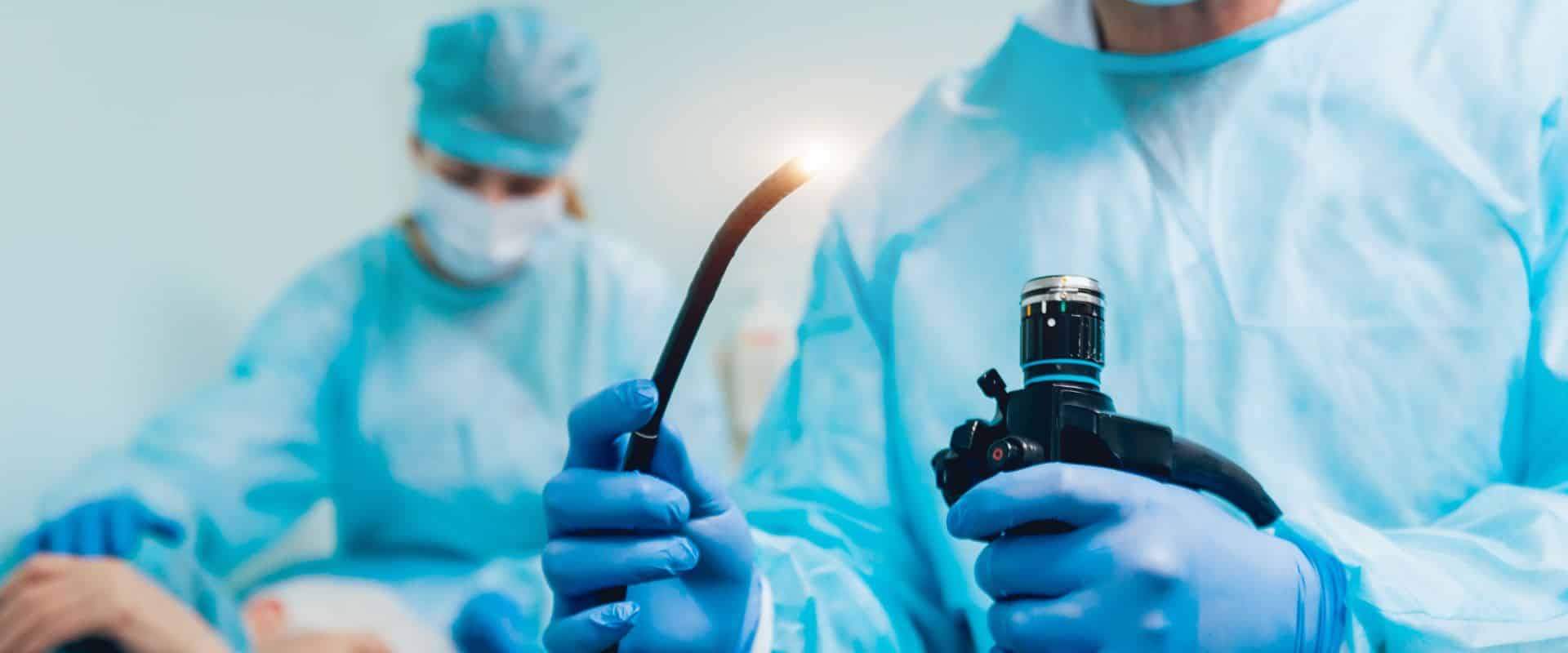
Using direct visualisation via gastroscopy evaluates upper mucosal damage from persistent bugs.
Assess micronutrient deficiencies from chronic illness
The measurement of serum vitamin levels identifies nutritional deficiencies linked to malabsorption.
Advanced Therapeutic Interventions for Persistent Digestive Dysfunction
Administer targeted antimicrobial or antiparasitic drugs
Specific prescription medications remove persistent intestinal parasites without unnecessary delay.
Utilise medical-grade probiotic
Utilise medical-grade probiotic strain formulations: High-potency probiotics can assist in re-establishing well-balanced indigenous bacterial populations.
Implement structured gut mucosal repair therapies
Specialised dietary protocols assist in helping restore damaged epithelial linings after acute infections.
Consider advanced microbiota restoration options
Clinical faecal microbiota transplants are utilised to treat severe recurrent Clostridioides difficile cases.
FAQs
Post-infectious irritable bowel syndrome occurs when an acute gastrointestinal infection triggers low-grade, persistent mucosal inflammation and altered neuromuscular signalling. Even after the offending bacterial or viral pathogen is fully cleared, the hyper-sensitised intestinal lining maintains abnormal gut motility and heightened pain sensation.
Clinicians utilise high-throughput multiplex PCR stool analyses, direct microscopy, and serological testing to isolate specific parasitic organisms such as Giardia duodenalis or Cryptosporidium. If non-invasive stool panels return negative results despite ongoing symptoms, endoscopic tissue biopsies provide definitive structural evaluations.
Travelling to regions with inadequate water treatment exposes the digestive tract to foreign microbial strains against which the host has no acquired immunity. These transient pathogens displace resident beneficial bacteria, alter lumen pH, and disrupt metabolic short-chain fatty acid production, resulting in prolonged gut imbalance.
Parasites attach directly to the mucosal lining of the small intestine, flattening microvilli and reducing the total surface area available for nutrient uptake. This structural degradation frequently leads to secondary lactose intolerance, malabsorption of fat-soluble vitamins, and chronic iron deficiency anaemia.
Proactive Measures to Protect Long-Term Digestive Wellness
Safeguarding internal gastrointestinal health requires an active combination of environmental awareness, strict personal hygiene, and professional clinical management. Understanding the far-reaching effects of poor sanitation and hygiene allows individuals to take immediate preventive steps against foodborne pathogens and waterborne parasites. While everyday handwashing and thorough food preparation reduce infection risks, persistent symptoms demand expert medical evaluation. Patients suffering from lingering digestive distress, chronic bloating, or altered bowel habits after an acute infection should consult a skilled Gastroenterologist in Sydney to access advanced diagnostic testing and individualised recovery strategies.

MEET DR. SUHIRDAN
Interventional Gastroenterologist and Hepatologist
Bsc (Med) | M.B.B.S. (Hons) | FRACP
USEFULL LINKS
WHERE WOULD YOU LIKE TO CONSULT
© Copyright 2026. Crafted by Hype Insight Pty Ltd.