What to Eat During the Low-Fibre Diet Phase
White bread and rice
Eat refined grains such as white toast, white rice and plain pasta in lieu of wholegrain during the low-fibre phase.
Dairy choices
Plain yoghurt, cheese and milk may fit the low-fibre phase if tolerated and permitted by your clinic’s instructions.
Lean proteins
Eggs, fish, chicken and tender meat can provide satisfying meals while keeping fibre intake lower before the procedure.
Fruit and vegetables
Follow your clinic’s approved list; peeled, well-cooked options may be allowed before the clear-fluid stage begins.
Foods to Avoid Before a Colonoscopy
Wholegrains
Do not consume brown rice, wholemeal bread, bran cereals and wholegrain pasta when your instructions begin restricting fibre.
Skins and peels
Avoid fruit or vegetable skins, tough stalks and fibrous pieces during the low-fibre period advised by your clinic.
Nuts and seeds
Skip nuts, seeds, popcorn and foods containing them, as small pieces can remain in the bowel and affect visibility.
High-fibre produce
Do not consume raw vegetables, berries, dried fruit, legumes and other foods that leave more residue in the bowel.
Clear Fluids: What You May Be Allowed to Drink
Water
Drink water regularly during the preparation period, following your clinic’s guidance on when to stop fluids before the procedure.
Broth
Clear, strained broth can provide variety and some salt, but stay away from soups with noodles, vegetables, cream or solid pieces.
Clear juice
Pulp-free apple juice or other approved clear juices may be allowed; check the clinic list and avoid prohibited colours.
Tea or coffee
Black tea and coffee may be allowed in the clear-fluid phase, but milk, cream and non-dairy whiteners make them non-clear.
Drinks and Foods to Avoid During the Clear-Fluid Stage
Red or purple drinks
Avoid strongly coloured liquids and jelly, as their colour may resemble blood or interfere with interpretation.
Alcohol
Do not drink alcohol during bowel preparation; it can worsen dehydration and may conflict with medicines or sedation advice.
Milk-based drinks
Do not consume milk, smoothies, protein shakes and opaque beverages once your plan switches to clear fluids only.
Pulp and solids
Avoid juice with pulp, soups with pieces, and any solid food after the time your preparation instructions specify.
Following Your Preparation Instructions Safely
Follow the written plan
Diet timing varies by clinic and prep product, so use your own instructions rather than a generic online schedule.
Discuss health conditions
Kidney or heart disease, pregnancy, frailty or previous poor preparation may require an individualised plan.
Check medicines
Ask the treating team about diabetes medicines, blood thinners, iron, constipation treatments and other prescriptions.
Seek help early
Contact your clinic if you vomit, cannot finish the preparation, feel faint or are unsure whether the bowel is clear.
FAQs
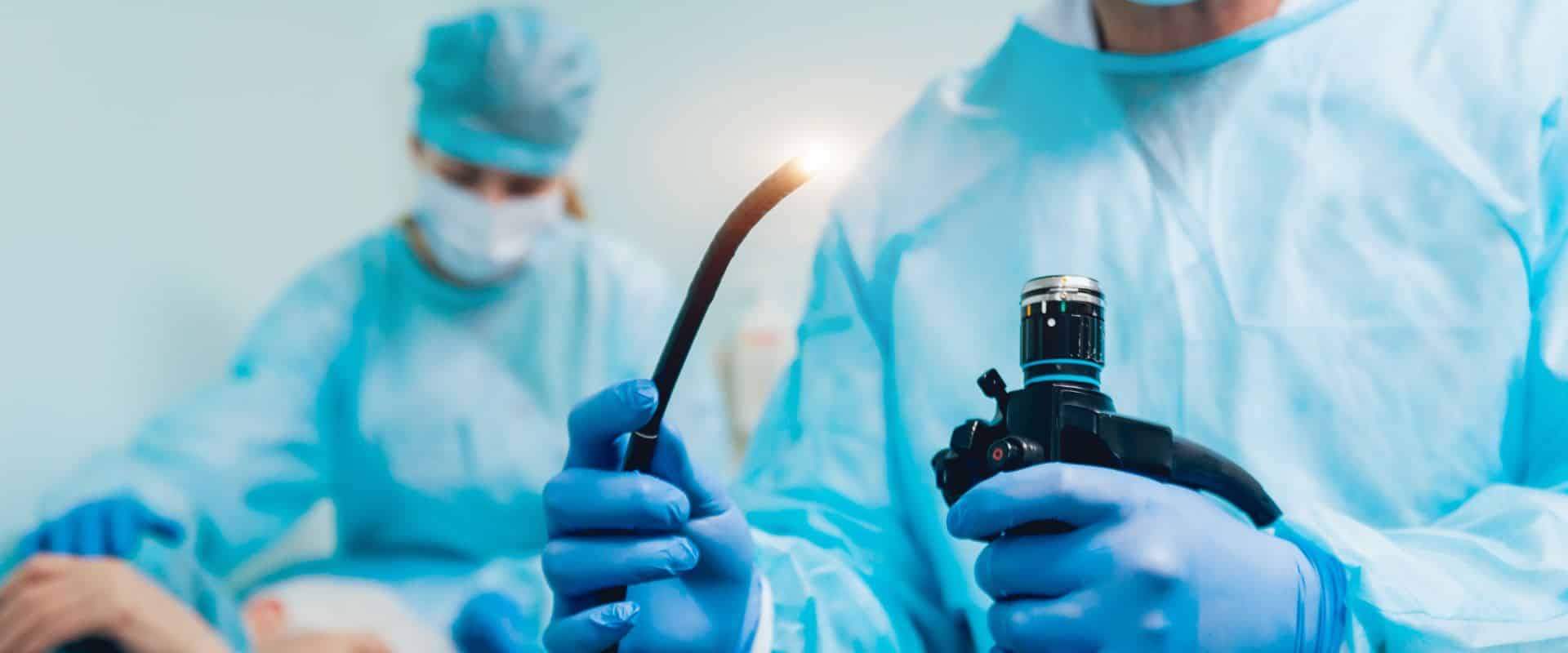
Some patients are advised to follow a low-fibre diet for a few days before the procedure, followed by clear fluids during the final stage. The exact schedule varies, so use the instructions provided by your clinic.
This depends on the preparation plan and the time of the procedure. Some instructions allow a limited breakfast before switching to clear fluids, while others specify a different schedule. Confirm your plan with the endoscopy team.
Black tea or coffee may be permitted during the clear-fluid stage, but milk, cream and other whiteners are generally not considered clear fluids. Follow the specific drink list supplied by your clinic.
Food residue can make it harder to see the bowel lining. If preparation is inadequate, the specialist may recommend another examination. Contact the clinic if you have eaten something outside the instructions or cannot complete the preparation.
Get Specialist Advice Before Your Colonoscopy
Following a colonoscopy prep diet can help the specialist examine the bowel lining more clearly, but the right schedule depends on the procedure and the patient’s health needs. Lower-fibre food choices, the transition to permitted clear fluids and correct use of bowel-cleansing medication all contribute to preparation. If instructions are unclear or symptoms arise during preparation, contact the endoscopy team before making changes.
A consultation with a specialist can also help patients understand the role of bowel cancer screening, when colonoscopy may be recommended and how preparation supports a more informative examination.

MEET DR. SUHIRDAN
Interventional Gastroenterologist and Hepatologist
Bsc (Med) | M.B.B.S. (Hons) | FRACP
USEFULL LINKS
WHERE WOULD YOU LIKE TO CONSULT
© Copyright 2026. Crafted by Hype Insight Pty Ltd.