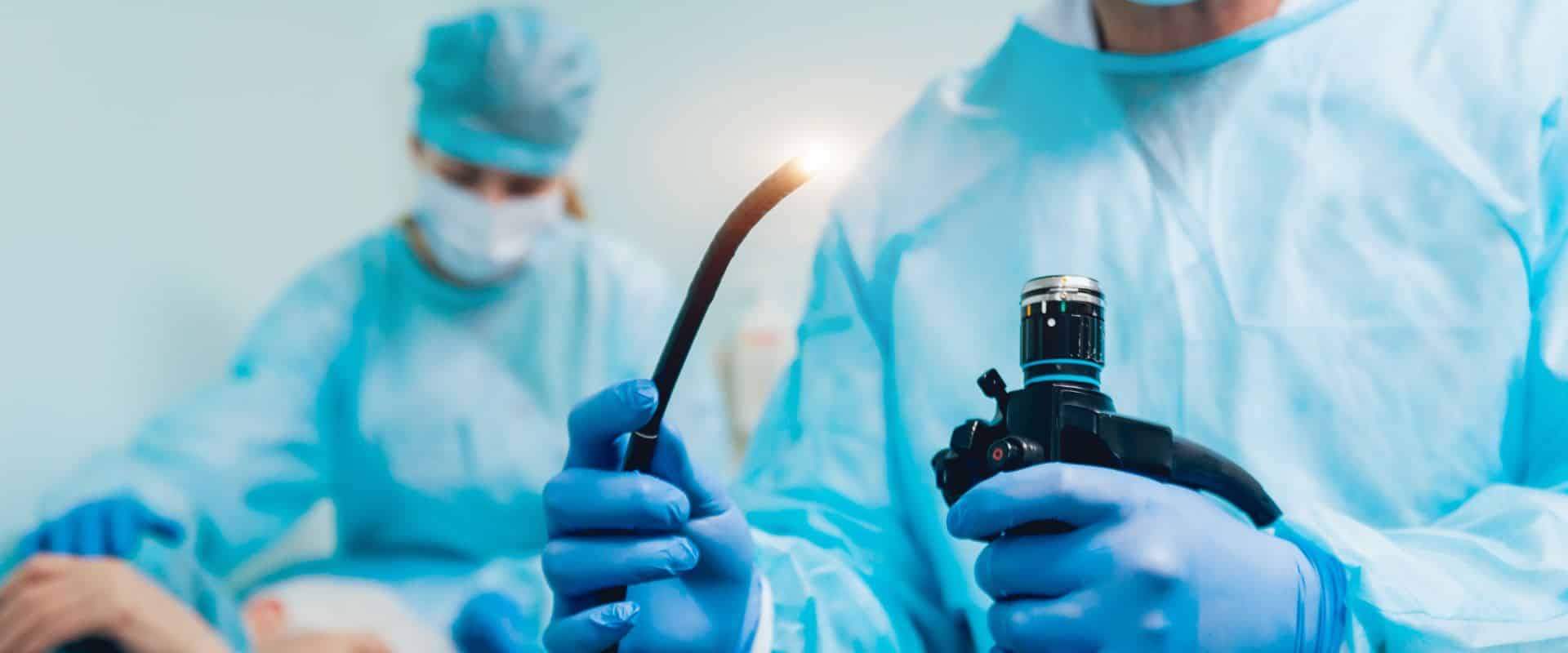
To answer, 'What does a colonoscopy detect?’ A colonoscopy allows a specialist to examine the lining of the large bowel using a flexible camera. The Australian Institute of Health and Welfare’s 2026 screening report found that about one in three people with available outcome data following a positive national bowel screening test in 2024 were diagnosed with an adenoma. These growths are usually benign, but some can develop into cancer over time. Colonoscopy can help identify and, in many cases, remove them before that happens.
What can a colonoscopy detect? Detecting Polyps Before They Become Cancerous
Adenomatous polyps
These types of growths can develop into bowel cancer over time, so identifying and removing them can reduce future risk.
Small bowel growths
Polyps may be present without causing discomfort or changes in bowel habits, which is why visual examination can be useful.
Serrated lesions
Some serrated polyps have the potential to become cancerous, making their identification and appropriate management important.
Tissue examination
Removed polyps need to be sent to a laboratory to establish their type and determine whether further monitoring is needed.
Identifying Early Signs of Bowel Cancer
Abnormal tissue growth
A raised, irregular or ulcerated area could potentially require closer assessment and biopsy to determine its nature.
Bleeding lesions
Fragile or abnormal tissue is most likely to bleed, although bleeding can additionally arise from non-cancerous conditions.
Possible early cancers
Some cancers tend to be visible before they cause obvious symptoms, which enables investigation to commence earlier.
Diagnostic biopsies
Small tissue samples may also be analysed to determine whether or not suspicious abnormalities contain cancerous cells.
Investigating Inflammation and Chronic Bowel Conditions
Inflammatory bowel disease
Ulcers, redness and swelling may suggest Crohn’s disease or ulcerative colitis, although biopsies can be needed.
Diverticular changes
Small pouches in the bowel wall are likely to be visible and can help explain some symptoms, depending on the clinical context.
Microscopic colitis
The bowel may look normal during examination, making tissue samples vital when chronic watery diarrhoea requires investigation.
Unexplained bowel symptoms
Inflammation or other abnormalities may help explain ongoing diarrhoea, altered bowel habits or abdominal discomfort.
Finding Potential Sources of Bleeding
Bleeding polyps
Occasionally, growths have been known to bleed intermittently, regardless of when a person has no other noticeable symptoms.
Vascular abnormalities
Fragile or enlarged blood vessels in the bowel are known to sometimes cause bleeding that requires further assessment.
Bowel tumours
Abnormal growths can potentially cause visible blood loss or they may contribute to iron deficiency through ongoing bleeding.
Haemorrhoids and other causes
Colonoscopy may identify haemorrhoids, though the presence of these does not rule out another bleeding source.
Understanding the Limits of Colonoscopy
Bowel preparation quality
Residual stool might obscure the lining and potentially diminish the visibility of small-sized or flattened lesions.
Conditions beyond the bowel
Colonoscopy does not extensively investigate the stomach, small intestine or organs outside the digestive tract.
Small or hidden lesions
Some abnormalities are likely to be difficult to identify, particularly when they are subtle or located behind folds.
Follow-up recommendations
The findings and quality of the examination help determine whether repeat testing or other investigations are appropriate.
FAQs
Yes. When considering ‘what can a colonoscopy detect?’, the procedure may identify early cancers or precancerous polyps before symptoms develop. However, it is not necessary or appropriate for every person, so screening and investigation decisions should reflect individual risk and clinical guidance.
No. Most polyps are not cancerous, although some types can develop into cancer over time. Their appearance, size and laboratory results help determine whether removal or closer surveillance is recommended.
No. A normal result is reassuring, but some conditions affect areas beyond the colon or may not be visible during the procedure. Ongoing symptoms should be reviewed with a healthcare professional.
A consultation may be appropriate after a positive bowel screening test, unexplained rectal bleeding, iron deficiency, persistent changes in bowel habits or other concerning symptoms. A clinician can assess the need for investigation.
Specialist Guidance for Bowel Screening and Follow-Up
Understanding what can a colonoscopy detect helps patients recognise its role in screening, diagnosis and prevention. The procedure can identify polyps, suspicious tissue, inflammation and potential sources of bleeding, while biopsies provide additional information when required. The appropriate investigation depends on individual symptoms, risk factors, screening results and medical history.
A consultation with a gastroenterologist in Sydney can help clarify whether colonoscopy is appropriate, what preparation involves and how findings may influence follow-up care.

MEET DR. SUHIRDAN
Interventional Gastroenterologist and Hepatologist
Bsc (Med) | M.B.B.S. (Hons) | FRACP
USEFULL LINKS
WHERE WOULD YOU LIKE TO CONSULT
© Copyright 2026. Crafted by Hype Insight Pty Ltd.